TRAVEL TIPS · 5 min read
Bolt vs Grab in Thailand 2026: Which Rideshare Should You Use?
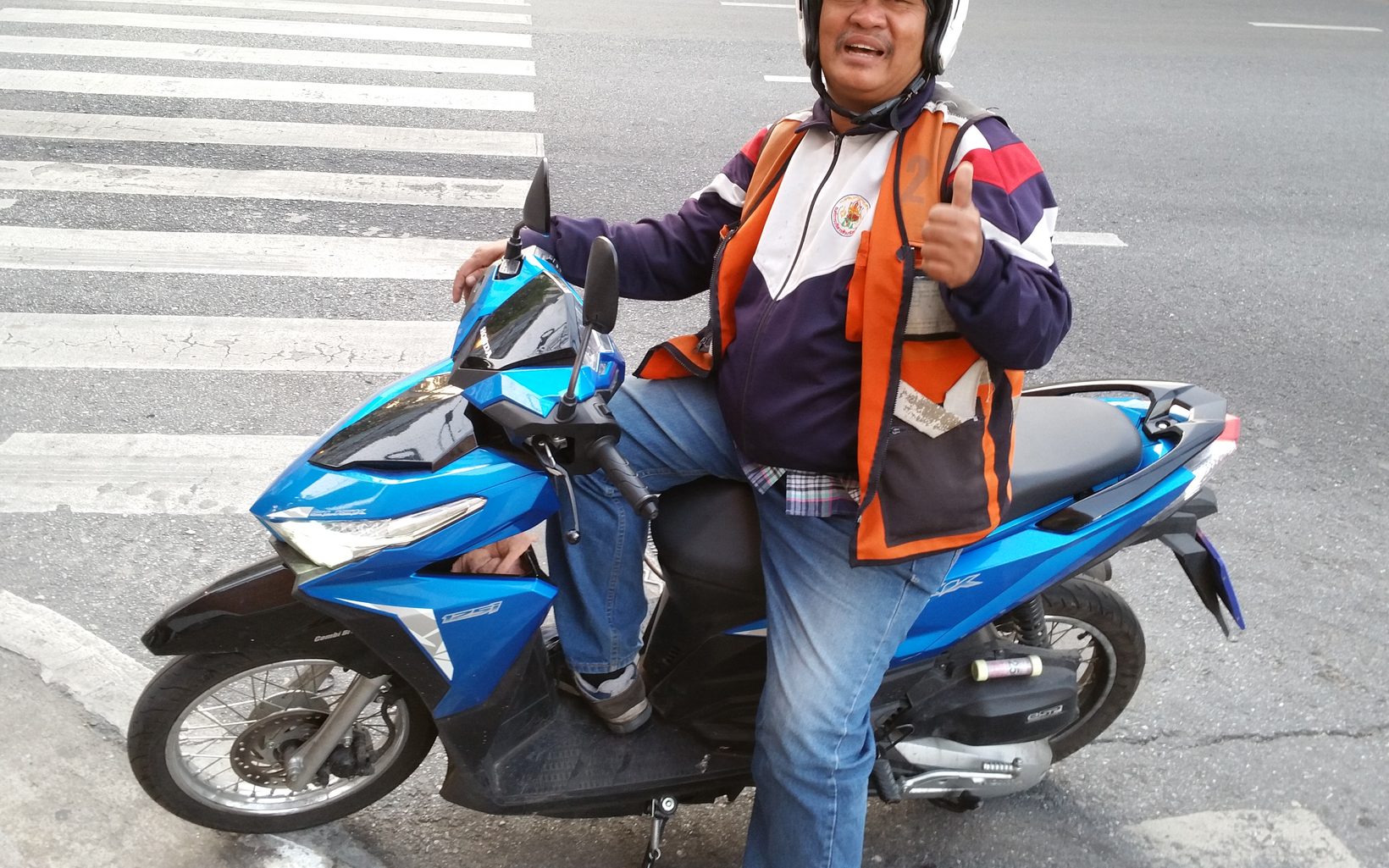
Thailand’s rideshare landscape changed dramatically when Bolt entered the market. Here’s what we’ve found after using both apps extensively across Bangkok, Chiang Mai, and Koh Samui.
Pricing
Bolt is typically 10-20% cheaper than Grab for the same route. This isn’t a fluke, it’s Bolt’s market entry strategy, subsidising rides to gain market share. How long it lasts is anyone’s guess, but in early 2026, Bolt is consistently the cheaper option.
Reliability
Grab still has more drivers, especially outside Bangkok. In Chiang Mai and Samui, you’ll sometimes wait 10+ minutes for a Bolt, while Grab finds a driver in 2-3. In central Bangkok, both are equally fast.
Safety
Both apps have similar safety features, driver ratings, trip sharing, in-app emergency buttons. Grab has a longer track record in Thailand and slightly more polished safety UX. Both are significantly safer than flagging random taxis.
Our Recommendation
Install both apps. Check Bolt first for price, but have Grab as backup for availability. In Bangkok, you’ll use Bolt 70% of the time. Outside Bangkok, you’ll lean on Grab more. Neither app works well for airport pickups at Suvarnabhumi, use the official airport taxi queue instead.